Integrated Facility Management

Why Preventive Maintenance Is the Backbone of Zero-Downtime Facility Operations

When a critical system fails in the middle of a workday, such as an HVAC unit breaking down, a lift going out of service or a power backup failing to kick in, the impact is immediate. Work stops, people are affected and the cost of recovery is almost always higher than the cost of prevention.

Yet, many facilities continue to operate on a reactive maintenance model, responding to problems only after they occur. The result is unpredictable downtime, inflated costs and a facility that always feels like it’s one breakdown away from a crisis.

Preventive maintenance changes that entirely.

What Is Preventive Maintenance?

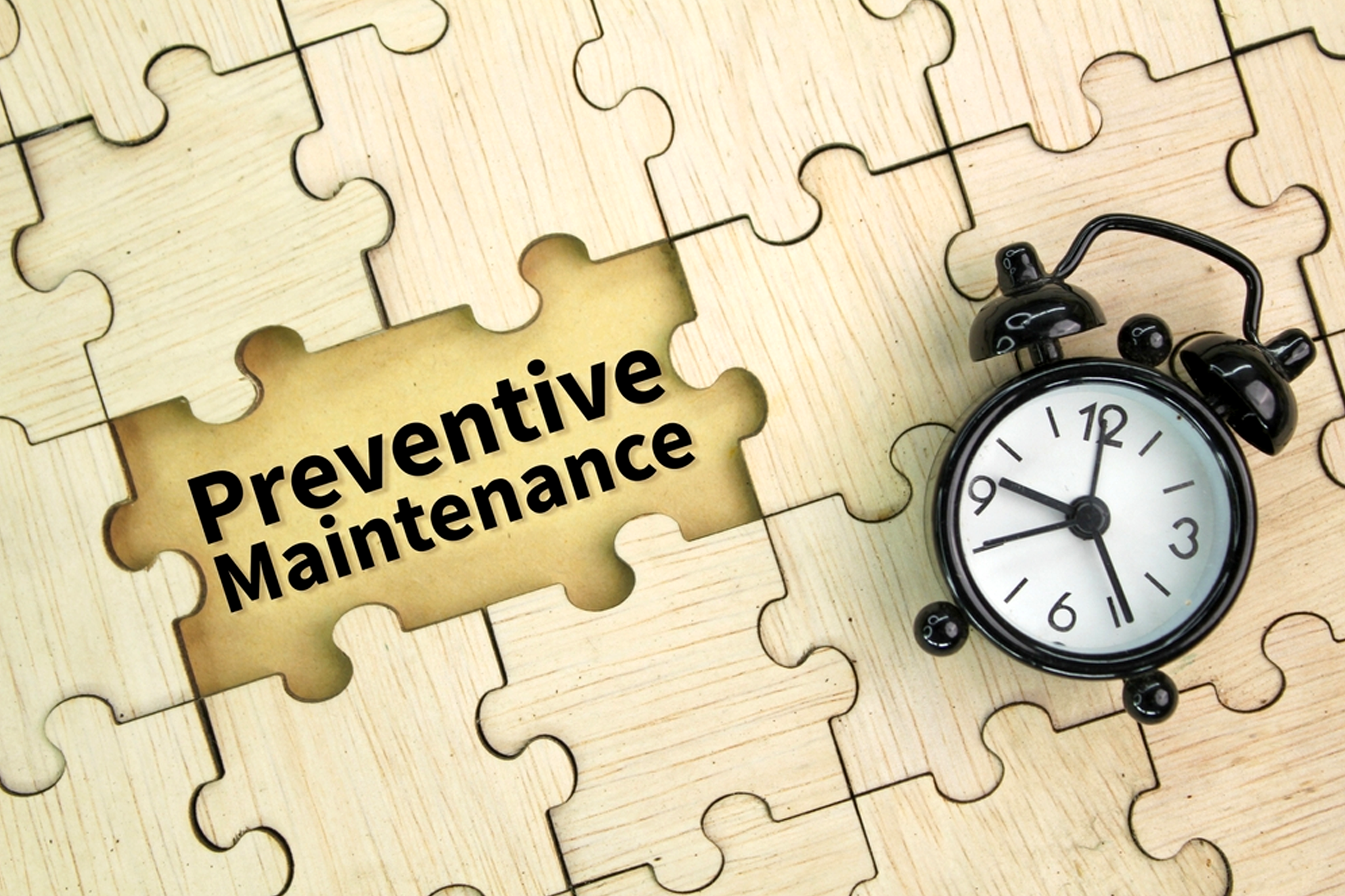
Preventive maintenance (PM) is a scheduled, proactive approach to maintaining equipment, systems and infrastructure before failures occur. 

Rather than waiting for something to break, PM involves regular inspections, servicing and replacements carried out at planned intervals, keeping every system running at its optimal level.

In facility management, this covers everything from HVAC and electrical systems to plumbing, fire safety equipment, lifts, generators and more.

The Hidden Cost of Reactive Maintenance

Fixing things only when they break can seem like the smarter, cost-saving choice. But the numbers tell a different story.

According to industry research, reactive maintenance can cost 3 to 5 times more than planned preventive maintenance when you factor in emergency labour, expedited parts, lost productivity and collateral damage caused by the failure. A single unplanned breakdown in a large facility can result in hours of downtime, disrupted operations and significant financial loss.

For businesses operating across multiple sites, the risk compounds. One underserviced asset in one location can trigger a chain of disruptions that affects the entire operation.

How Preventive Maintenance Enables Zero-Downtime Operations

Zero-downtime means your facility is managed in a way that anticipates issues, addresses them before they escalate and ensures continuity even when individual components need attention.

Preventive maintenance enables this through:

  1. Scheduled inspections that identify wear and potential failure points before they become critical issues.
  2. Asset lifecycle management that tracks the health and performance of every system, extending equipment lifespan and planning timely replacements.
  3. Compliance assurance where regular servicing ensures equipment meets safety and regulatory standards at all times, reducing audit risk.
  4. Predictable budgeting since planned maintenance costs are far easier to forecast and control than emergency repairs.

The Role of IFM in Preventive Maintenance

Preventive maintenance works best when it’s part of a broader integrated facility management system. When maintenance is coordinated alongside housekeeping, security and vendor management under one framework, nothing falls through the cracks.

At Ansec, preventive maintenance is built into every facility management contract. 

Our teams operate on structured maintenance schedules across all sites, ensuring that inspections are logged, servicing is completed on time and facility managers have full visibility into the health of their assets.

Downtime is not just an operational inconvenience; it’s a business risk.

Preventive maintenance is the foundation of a facility that runs reliably, safely and efficiently.

Author

admin

Leave a comment

Your email address will not be published. Required fields are marked *