



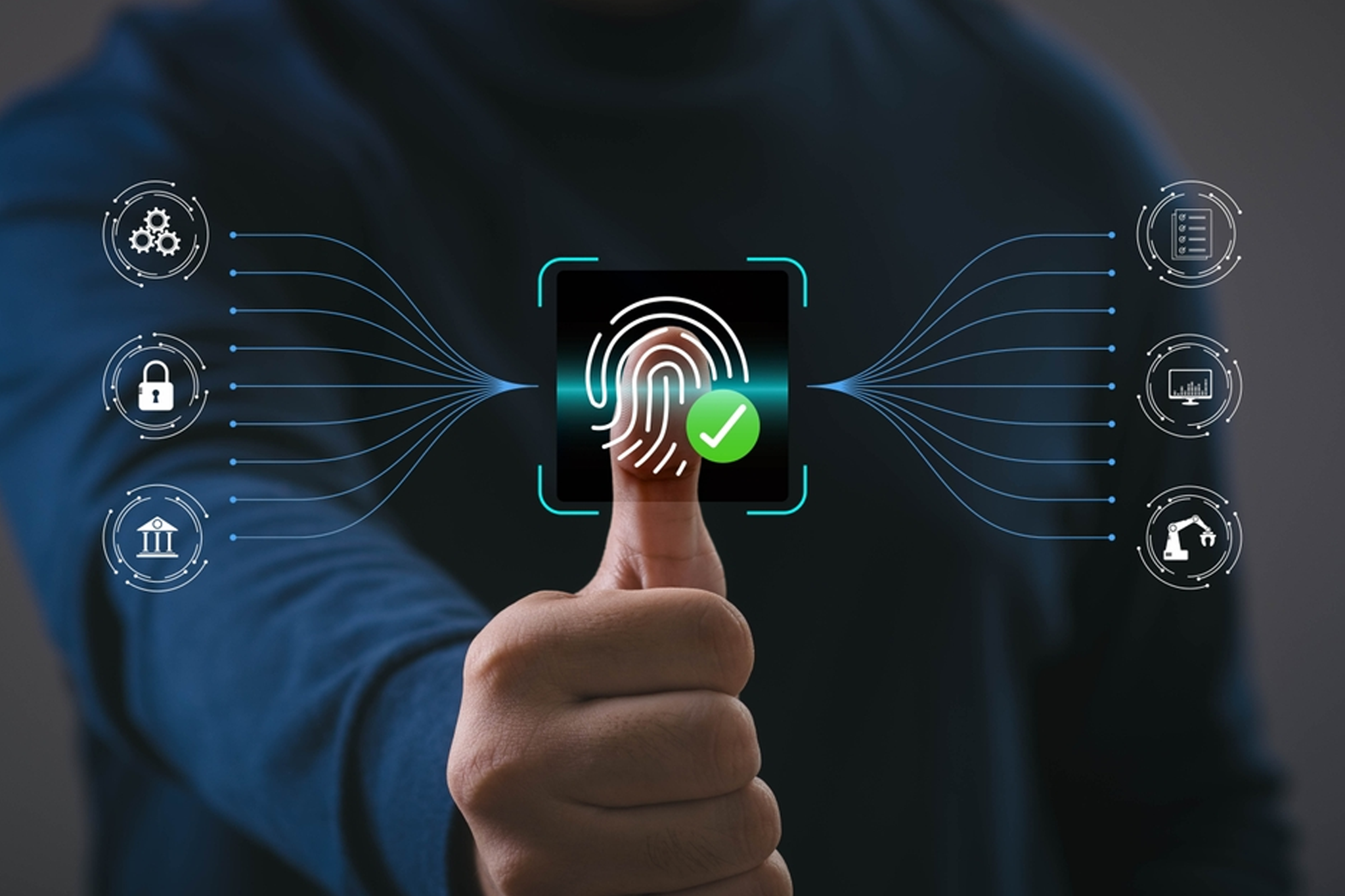
Walk into a modern workplace today and you’ll notice something different. Keys or manual registers no longer manage entry. Instead, access is controlled through smart systems that track, verify and monitor movement in real time.
Security has moved beyond guarding entrances. It is now about controlling who enters, when they enter and how that access is managed across an entire facility.
In today’s environment, this also means combining trained security personnel with technology-driven systems for complete protection.
What Are Smart Access Control Systems?
Smart access control systems are digital solutions that regulate entry and exit across a workplace. These systems use technologies such as biometric authentication, RFID cards, mobile-based credentials and centralized dashboards to manage access permissions.
Unlike traditional methods, smart systems do not just allow or deny entry. They create a record of every movement, giving facility managers complete visibility and control. When integrated with electronic security surveillance systems like CCTV and alarms, they provide continuous real-time monitoring across the facility.
Why Traditional Access Methods Fall Short
Manual registers and basic ID checks depend heavily on human monitoring. While security personnel remain critical, relying only on manual processes increases the risk of errors, delays and unauthorized access.
For example, visitor entries may not always be logged accurately. Temporary access may not be revoked on time. In large facilities, it becomes difficult to track who has access to which areas.
These gaps may seem small, but they can lead to serious security and compliance issues over time, especially in high-risk or multi-site environments.
Real-Time Monitoring and Instant Alerts
One of the biggest advantages of smart access control systems is real-time visibility. Every entry and exit is logged instantly and can be monitored from a centralized system.
If there is an unusual activity, such as an unauthorized access attempt or access outside permitted hours, alerts are triggered immediately. This allows security teams and Quick Response Teams (QRT) to act without delay, reducing potential risks.
In high-traffic environments, this level of control is essential to maintain safety and order.
Better Control Across Multiple Locations
For businesses operating across multiple sites, managing access manually is nearly impossible. Smart systems allow centralized control, where permissions can be updated, restricted or revoked from a single dashboard.
This ensures consistency across all locations and reduces the risk of outdated access permissions being misused. Whether it is a corporate office, warehouse or industrial facility, access policies can be enforced uniformly with the support of trained security teams on the ground.
Improved Compliance and Accountability
Modern workplaces must meet strict safety and compliance standards. Smart access control systems support this by maintaining detailed digital logs of all entries and exits.
These records are useful during audits and investigations, providing clear evidence of who accessed specific areas and when. Combined with regular security surveys and audits, this level of transparency strengthens accountability and ensures continuous compliance.
Enhancing the Workplace Experience
Security is not just about restrictions. It is also about convenience.
Smart access systems reduce wait times, eliminate manual paperwork and create a smoother entry experience for employees and visitors. Mobile-based access, pre-approved visitor entries and automated permissions make daily operations more efficient without compromising safety.
The Role of Integrated Systems
Access control becomes even more powerful when integrated with other security and facility systems such as CCTV, alarm systems and incident dashboards. This creates a connected environment where information flows seamlessly across platforms.
When combined with physical guarding, risk assessments and security consulting, organizations gain a more proactive and layered approach to security rather than relying on isolated systems.
Conclusion
Modern workspaces require more than basic security measures. They need systems that are intelligent, responsive and scalable.
Smart access control systems provide that foundation by combining technology with operational efficiency. They help organizations move from reactive security to proactive control, ensuring that every entry point is managed with precision.
At Ansec, security is never treated as a standalone function. Across operations in 15+ states, access control is integrated with physical guarding, electronic surveillance, risk assessment and facility management to deliver consistent, end-to-end security solutions.
Strengthening your security framework is a necessary step toward building safer, more efficient and future-ready workplaces.

Author